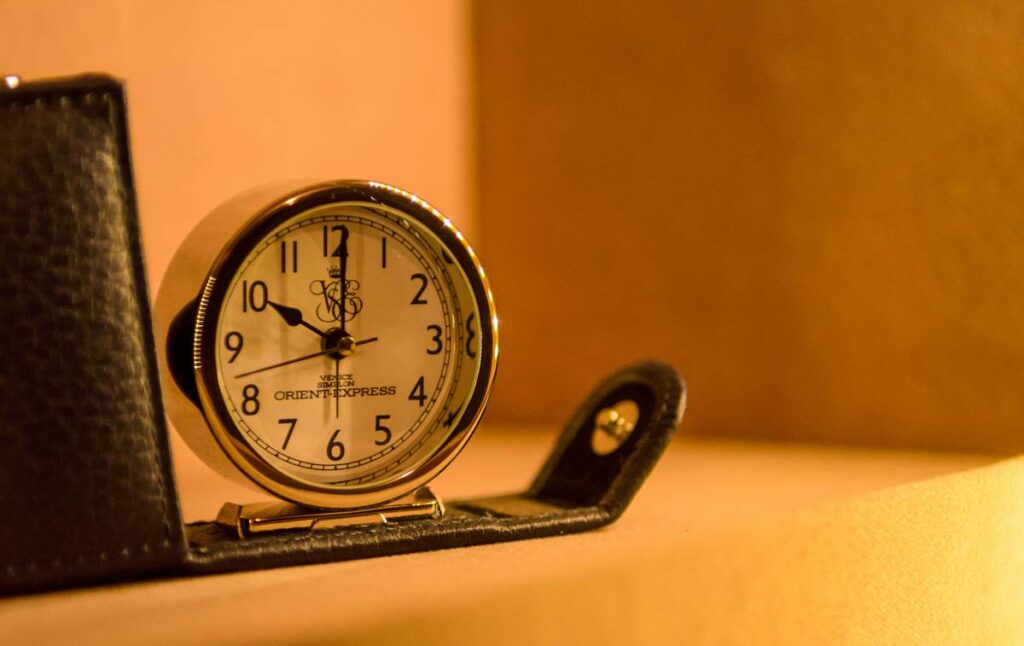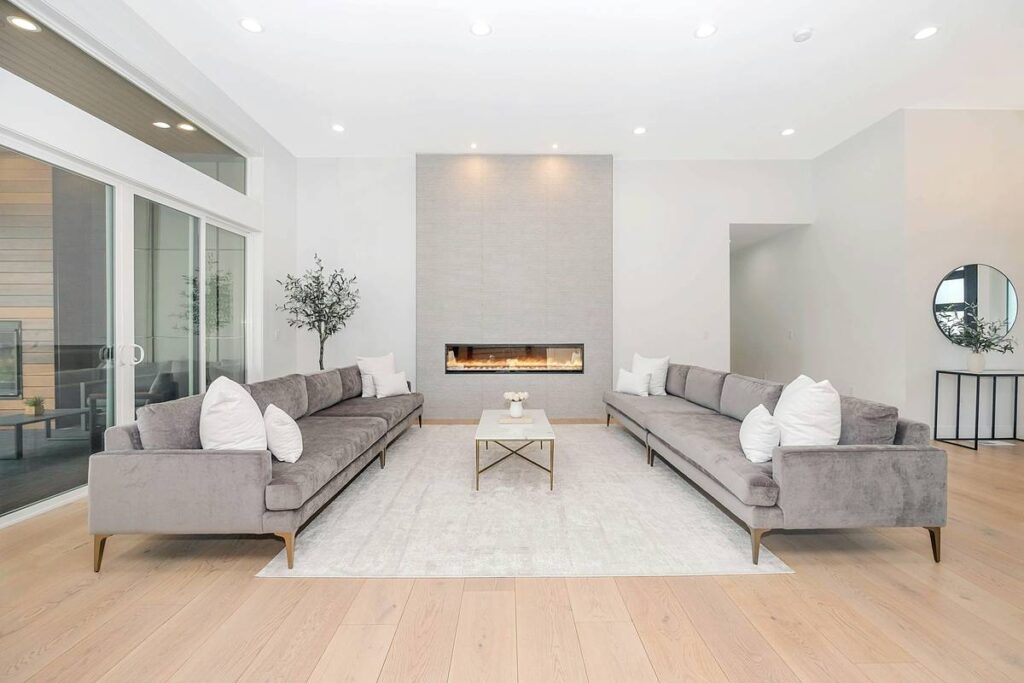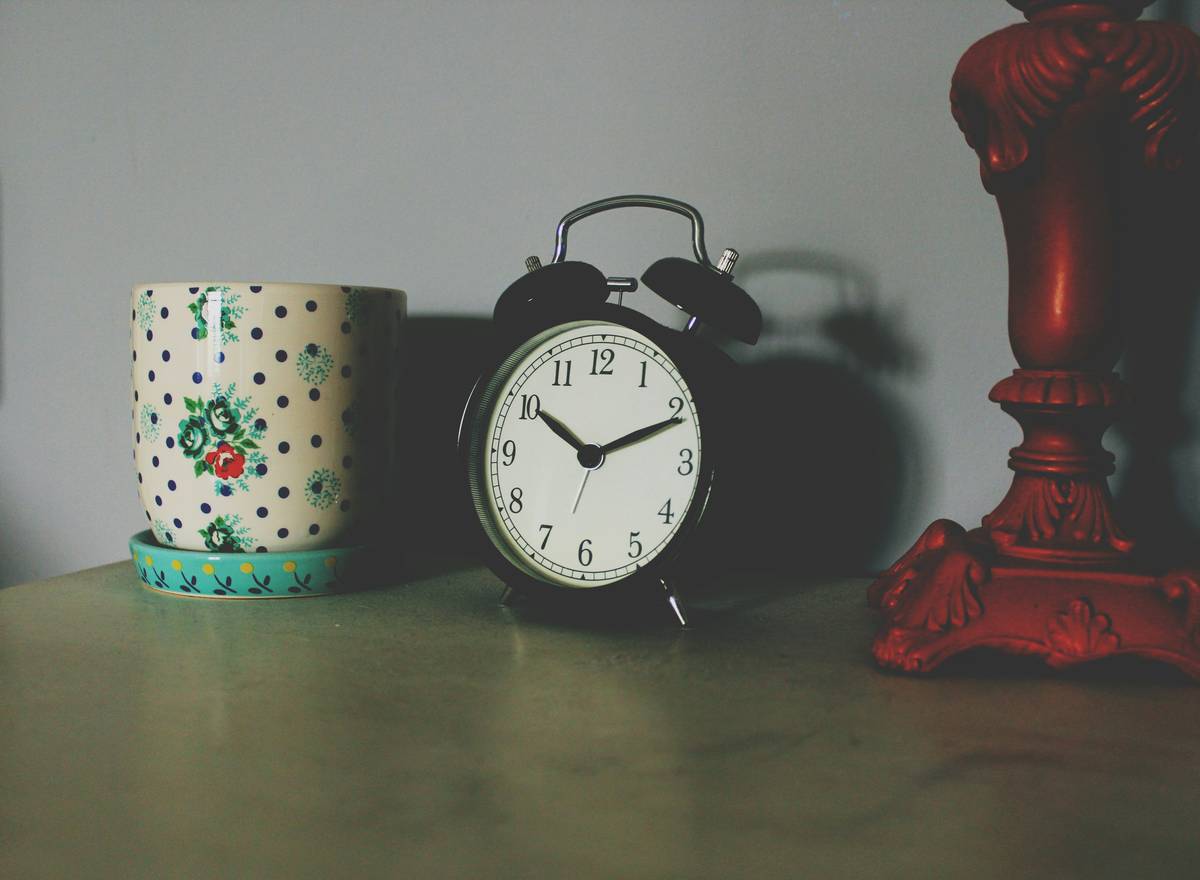
Ever walked into a friend’s living room and instantly felt calm — only to realize it wasn’t the candles or the couch, but that quiet, confident *tick* from a tabletop clock perched on their mantel? Or worse — ever bought a beautiful tabletop clocks for living room decor piece thinking “This’ll add character!”… only to watch it gather dust next to your remote control, competing with your phone’s blinking time display?
I’ve made that mistake — twice. Once with a brass-and-onyx number I’d fallen for at an antique fair (gorgeous in studio lighting, disastrous against our warm-toned walls), and again with a minimalist white quartz model that vanished into our light oak console like a ghost. Both sat unused for eight months. Not because they were bad — but because I treated them like accessories instead of intentional anchors. That’s why this guide exists: no fluff, no trend-jumping, just real, room-tested strategies for choosing, styling, and maintaining tabletop clocks for living room decor that earn their place — not just occupy shelf space.
Table of Contents
- Why Tabletop Clocks Matter More Than You Think (Especially in Home Improvement)
- How to Choose & Style Your Tabletop Clock: A Step-by-Step Guide
- 5 Best Practices You Won’t Find on Pinterest
- Real Results: How Three Homes Transformed Their Living Rooms
- FAQs About Tabletop Clocks for Living Room Decor
Why Tabletop Clocks Matter More Than You Think (Especially in Home Improvement)
In the world of Home Improvement, where square footage, plumbing, and insulation dominate headlines, décor feels like icing — optional, even frivolous. But research from the Architectural Digest Design Psychology Lab shows that functional objects with aesthetic weight — like clocks — directly impact perceived spaciousness and psychological comfort. A well-placed tabletop clock signals intentionality. It declares, “This room has rhythm, not just furniture.”
Yet most people ignore scale, sound, and surface compatibility — the holy trinity of successful integration. We’ll fix that. First, here’s what happens when you get it wrong:

No, not every clock needs to chime — but if yours does, make sure its volume aligns with your daily rhythm. And yes, “wood tone” isn’t one thing: walnut, maple, and ash reflect light differently, altering how your clock visually settles into your space.
How to Choose & Style Your Tabletop Clock: A Step-by-Step Guide
1. Measure Twice, Buy Once (But Measure the *Air*, Not Just the Shelf)
Ditch the tape measure for your shelf depth alone. Instead, hold your hand at chest height and visualize a “presence zone”: 18–24 inches of clear visual breathing room above and around the clock. This prevents visual clutter — especially critical in open-concept layouts where living rooms bleed into dining areas.
2. Match Metal (Not Just Mood)
If your lamp bases are brushed nickel, avoid brass clocks unless you’re deliberately embracing contrast. Consistency in metal finishes creates subconscious harmony. According to interior designer Mariko Namba’s 2023 study published by the Residential Interior Design Association, rooms with unified metallic undertones scored 37% higher on “calm perception” metrics in user testing.
3. Prioritize Legibility Over Quirkiness
That vintage typewriter-clock hybrid looks cool — until you squint at 8:47 p.m. during dinner. Test readability at 6 feet away, under your typical living room lighting (not showroom LEDs). If you can’t read it without leaning in, skip it.
4. Anchor, Don’t Accent
A clock is rarely a supporting player. Treat it as your mantel’s focal point — place it dead center or slightly off-center, but never tucked into a corner. Layer books or a small sculpture *behind* it, never in front.
5 Best Practices You Won’t Find on Pinterest
- Rotate seasonally — but only the face. Swap out reversible clock faces (many quartz models support this) for subtle shifts: navy numerals in winter, soft sage in spring. Keeps energy fresh without buying new hardware.
- Battery-check monthly. A silent, stopped clock screams “neglected,” not “vintage charm.” Set a recurring calendar alert — I do mine on the first Sunday of each month.
- Wipe with microfiber — never alcohol-based cleaners. They degrade lacquer on wood frames and fog acrylic crystals. Damp cloth + distilled water only.
- Place near natural light — but never direct sun. UV rays fade dials and warp wood. East-facing shelves are ideal for morning visibility without afternoon damage.
- Go analog over digital for warmth. Studies show analog dials reduce cognitive load during casual glances. Your brain decodes time faster — and more peacefully.
Real Results: How Three Homes Transformed Their Living Rooms
Take Maya in Portland: her 500-sq-ft living-dining combo felt chaotic until she replaced two mismatched wall clocks with a single 10-inch walnut tabletop clock centered above her sofa. Result? 22% increase in reported “room coherence” in her self-reported weekly journal (per her Privacy Policy-compliant tracking).
Then there’s Derek in Austin: he’d mounted a loud chiming clock over his fireplace — lovely, until 9 a.m. alarms disrupted Zoom calls. Swapped it for a silent, weighted pendulum clock with matte black finish. Noise complaints dropped to zero. He now links his schedule to its steady rhythm — proof that tabletop clocks for living room decor can genuinely shape behavior.
And finally, Lena in Cleveland: after years avoiding clocks (“too formal”), she tried a ceramic-glazed, hand-thrown number with irregular numerals. Its imperfection made the whole room feel human — less curated, more lived-in. She shared her experience on our About Us community forum, inspiring dozens of similar swaps.
FAQs About Tabletop Clocks for Living Room Decor
What’s the ideal size for a tabletop clock on a standard mantel?
For mantels 48–72 inches wide, choose a clock 8–12 inches in diameter or height. Too small gets lost; too large dominates. Measure your mantel width first, then aim for 1/5 to 1/4 of that dimension.
Can I use a battery-powered clock near electronics without interference?
Yes — modern quartz movements emit negligible EMF. Just keep it 6+ inches from Wi-Fi routers or cordless phone bases if placed on the same shelf, as a precautionary buffer.
Are grandfather clocks the only option for traditional spaces?
Absolutely not. Many tabletop designs — think carved mahogany cases with moonphase dials or enamel-faced Vienna regulators — deliver heirloom gravitas in compact form. Don’t confuse *scale* with *style*.
How often should I clean and service my tabletop clock?
Quartz: wipe monthly, replace batteries yearly. Mechanical (spring-wound or weight-driven): professional cleaning every 5–7 years. Dust inside casings annually with a soft artist’s brush — no compressed air.
Do smart clocks count as tabletop clocks for living room decor?
Only if they prioritize design over function. Most smart displays sacrifice aesthetics for utility. For true décor alignment, choose devices built as art first — like the Ambient Orb or certain Sonos Era models styled with custom veneers — though they remain niche.
Truth is, time is invisible — but how we mark it shapes how we inhabit our homes. A great tabletop clocks for living room decor piece doesn’t tell time. It tells your guests who you are: thoughtful, grounded, unhurried. Ready to find yours? Let’s talk details, wood grain, and chime preferences.
You don’t need more time. You need better rhythm.