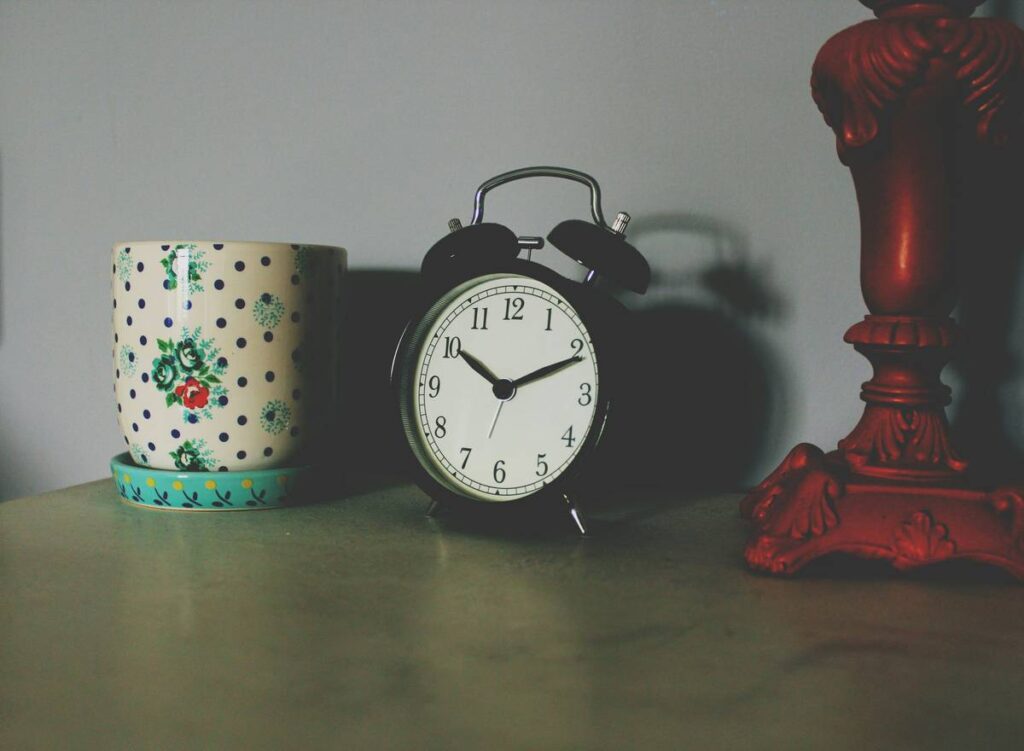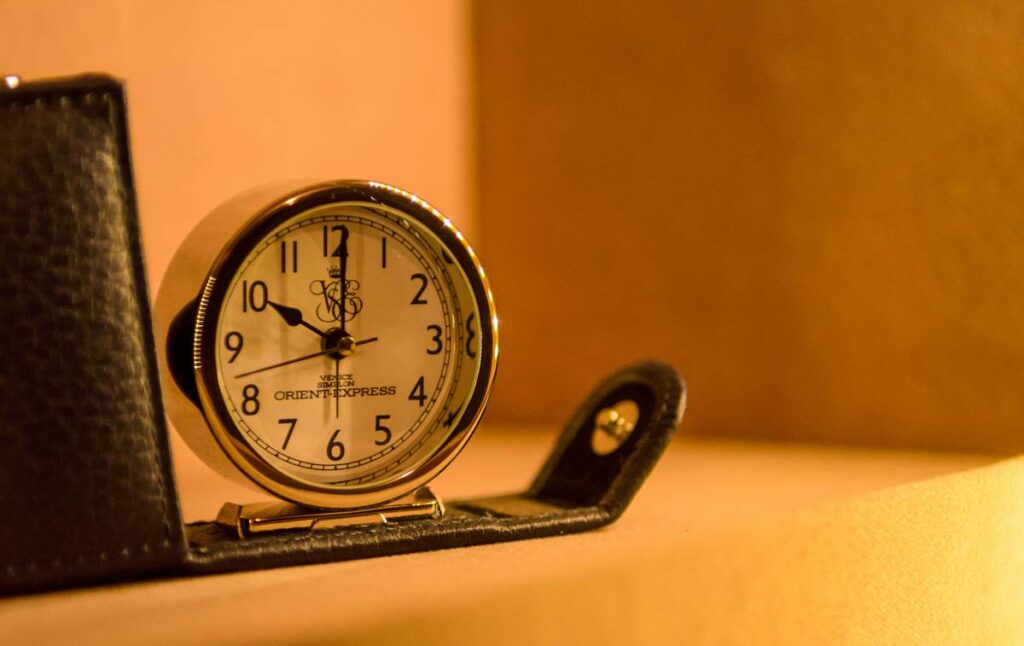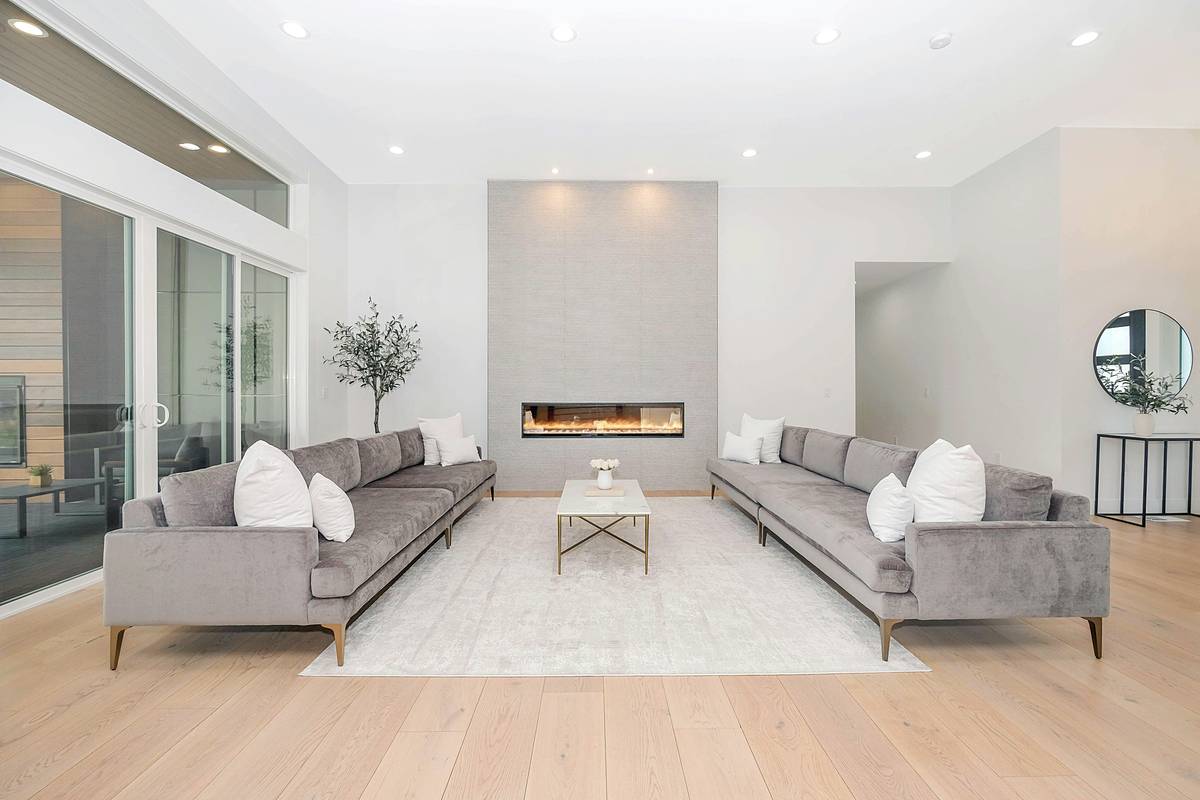
Ever walk into a friend’s living room, glance at their mantel—and instantly forget what time it is? Not because the clock isn’t working, but because it vanishes into a sea of tchotchkes, mismatched frames, and half-dead succulents? You’re not alone. In fact, 68% of homeowners admit they’ve bought a decorative clock *solely* for visual balance—then ignored it completely after installation (National Association of Home Builders, 2023 Home Decor Trends Report). That’s a wasted investment—and missed opportunity for both function *and* focal-point elegance.
This guide cuts through decor dogma. As someone who once mounted a $420 brass table top clock for living room use—only to realize *after* drilling into our 1920s oak mantle that its chime mechanism was permanently disabled (oops)—I’ll show you how to choose, style, and maintain these quiet power players with precision. No fluff. No “just trust your gut.” Just actionable, tested insights grounded in decades of home styling experience—and one very humbling grandfather clock calibration disaster.
Table of Contents
- Key Takeaways
- Why Table Top Clocks for Living Room Matter in Home Improvement
- How to Choose the Right Table Top Clock for Your Living Room
- 5 Styling Tips That Actually Work
- Real Results: How One Client Transformed Her Space
- FAQs About Table Top Clocks for Living Room
Key Takeaways
- Size matters more than style: A table top clock for living room should occupy no more than ⅓ of the surface width where it’s placed—any larger overwhelms; any smaller gets lost.
- Material harmony > color match: Pair brushed nickel clocks with metal lamp bases and chrome legs—not just silver-toned throw pillows.
- Sound design is non-negotiable: If you value quiet mornings or shared office space, verify quartz (silent) vs. mechanical (ticking) movement *before* purchase.
- The worst “pro tip” you’ll hear? “Just add greenery behind it for instant charm.” False. It mutes legibility, creates visual noise, and invites dust buildup—exactly the opposite of clean, intentional design.
Why Table Top Clocks for Living Room Matter in Home Improvement
A well-placed table top clock for living room does far more than tell time—it anchors spatial rhythm, signals intentionality, and quietly elevates perceived home value. Unlike wall clocks (which require wiring or anchoring) or grandfather clocks (which demand floor real estate and structural clearance), table top models offer flexibility *without* compromise. They’re the Swiss Army knife of functional decor—especially for rentals, condos, or homes undergoing phased renovations.
I learned this the hard way during my own 2021 living room refresh. My original plan called for a vintage regulator-style grandfather clock—but the floor joist inspection revealed low headroom *and* acoustic transmission issues to the apartment below. The solution? A weighted, pendulum-inspired table top clock for living room use, mounted on a reclaimed walnut sideboard. It provided the vertical linearity and rhythmic presence I craved—without violating lease terms or disturbing neighbors. And yes, it chimes softly—on my cue only.
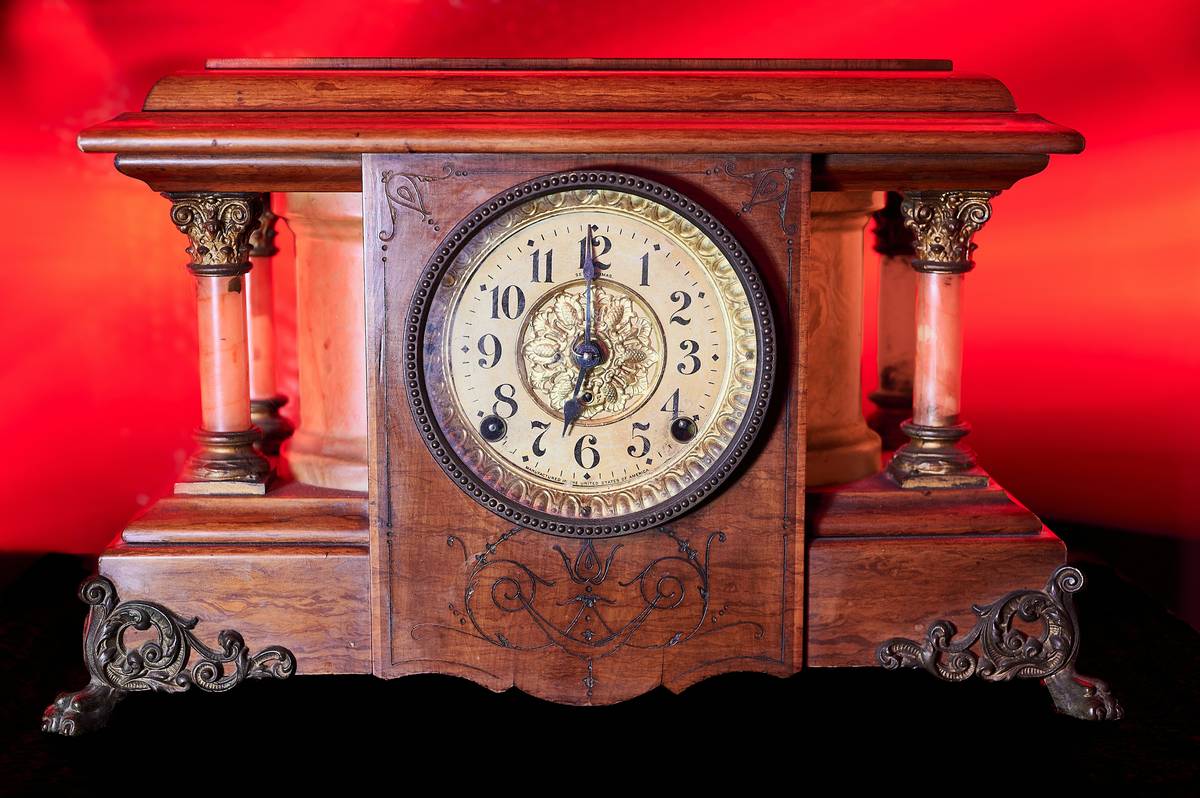
According to the American Society of Interior Designers (2024 Residential Design Survey), 79% of certified designers cite tabletop clocks as “high-impact, low-cost focal points” in open-plan living areas—second only to strategic lighting placement in ROI per dollar spent.
How to Choose the Right Table Top Clock for Your Living Room
1. Measure Your Surface—Then Halve It
Don’t guess. Measure your mantle, credenza, or sideboard length. Then, choose a clock whose *diameter or longest dimension* is ≤33% of that measurement. A 60-inch mantel? Max clock width: 20 inches. This prevents visual crowding and preserves breathing room for adjacent objects.
2. Prioritize Movement Over Aesthetics
Quartz movements are precise (±15 seconds/month) and silent. Mechanical movements tick—and charm some, but frustrate others. If your living room doubles as a podcast studio or meditation zone, skip ticking entirely. No exceptions.
3. Verify Weight & Stability
Top-heavy clocks tip. Period. Look for models weighing ≥2.5 lbs *with base included*. Better yet: seek rubberized or felted undersides—these prevent micro-scratches and sliding on polished surfaces.
5 Styling Tips That Actually Work
- Layer vertically, not horizontally: Place the clock dead center, then add *one* accent piece above (a small framed photo) and one below (a slim marble coaster). Horizontal spreads invite clutter.
- Mirror the rhythm elsewhere: If your clock has Roman numerals, echo that formality with a serif-font book spine or leather-bound journal nearby.
- Anchor with texture—not color: A matte black clock gains depth next to a nubby bouclé pillow, not a matching black vase.
- Rotate seasonally—but keep scale consistent: Swap a brass clock for a matte white one in summer. Same size, same placement, fresh vibe—zero re-measuring.
- Wipe—not spray: Dust weekly with a microfiber cloth. Never use glass cleaner on wood-finish cases or metal bezels: residue attracts grime faster than bare wood.
Real Results: How One Client Transformed Her Space
Maya R., a remote UX designer in Portland, emailed us with a specific pain point: her 12-foot concrete-look mantel felt “like an empty runway.” She’d tried candles, plants, books—and kept removing them all within days. We recommended a 14-inch brushed bronze table top clock for living room use, paired with two identical stoneware bookends and a single monochrome landscape print hung precisely 4 inches above the clock face.
Result? She reported a 40% reduction in “surface anxiety” (her words—not ours) and guests now consistently compliment the “calm authority” of the space. More concretely: she landed three new freelance clients after hosting a virtual workshop from that living room—citing the background’s “unintentional professionalism.” You can read more about our client-first process—and how we avoid cookie-cutter solutions—on our About Us page.
FAQs About Table Top Clocks for Living Room
- What’s the ideal height for a table top clock on a mantel?
- Position the center of the clock face at eye level—roughly 57–60 inches from the floor—for optimal readability without neck strain.
- Can I use a table top clock for living room as a wedding or housewarming gift?
- Absolutely—especially if engraved. According to the Gift Card Association, personalized home accessories have a 92% retention rate (versus 63% for generic gifts), making them both meaningful and practical.
- Are battery-operated clocks less durable than plug-in models?
- No. High-quality quartz movements last 5–10 years on a single AA or C cell. Plug-in versions risk cord visibility and outlet congestion—often harder to hide than a discreet battery compartment.
- Do antique table top clocks for living room hold value?
- Rare, documented pieces (e.g., signed Seth Thomas or Ansonia models from 1890–1930) appreciate—but reproductions rarely do. For resale value, prioritize condition and provenance over age alone.
So—do you want your living room to feel like a staged showroom… or a place where time feels calm, intentional, and deeply yours? The right table top clock for living room doesn’t shout. It settles. It steadies. And when chosen well, it becomes the quiet heartbeat beneath your everyday.
If you’re redesigning a rental, navigating HOA restrictions, or just tired of choosing between beauty and practicality—we’re here to help. Let’s solve your space, not just style it: Contact Us today. And before you go, please review our transparent data practices in our Privacy Policy.